First Track Day Checklist: Car, Gear, and Arrival
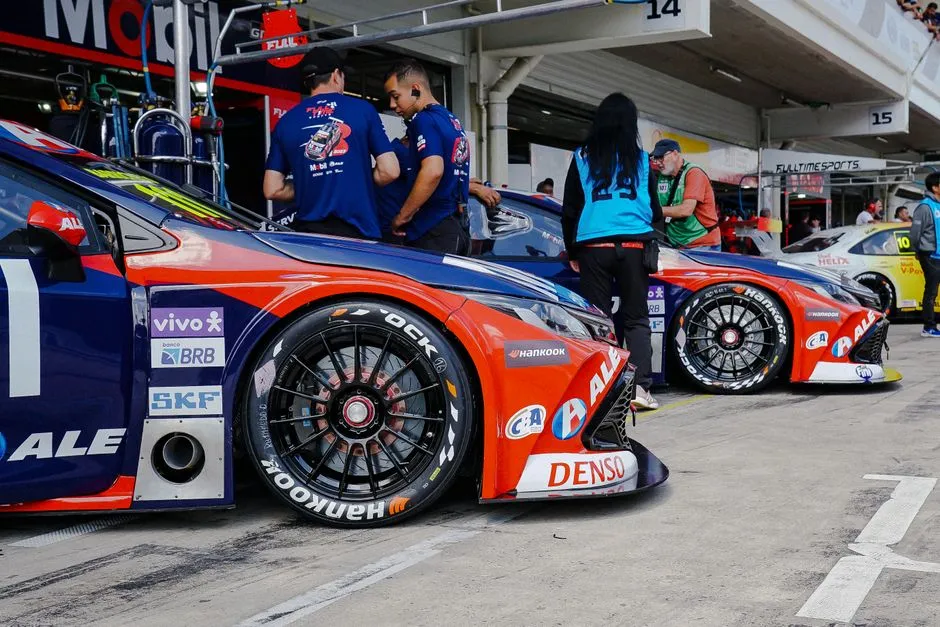
What belongs on a first track day checklist?
A first track day checklist starts with the organizer's current joining instructions. Confirm driver eligibility, vehicle type, helmet and clothing rules, required inspection, noise testing, insurance position, passengers, and arrival time in writing. Have a qualified, track-experienced technician inspect the car. Do not enter the circuit with a known defect or equipment the organizer has not accepted.
Closed-course driving can cause serious injury, death, and property damage. Event and venue rules control participation, and they can differ materially from another organizer's rules.
Read the event packet before preparing the car
Create one page of requirements from the actual event documents:
- driver license or competition-license rules;
- minimum age and passenger conditions;
- accepted helmet labels, age limits, and face-coverage rules;
- clothing and footwear requirements;
- vehicle eligibility, rollover protection, and restraint rules;
- technical inspection, noise limit, and towing-point requirements;
- registration, briefing, sighting-lap, and track-entry times;
- fuel, camera, garage, paddock, and fire-safety rules.
Do not copy details from another event. MSV Trackdays, for example, publishes its own license, helmet, clothing, vehicle, noise, briefing, and sighting-lap requirements. Only your event's packet and officials decide what applies.
The track-day preparation section keeps paperwork and equipment checks together.
Book a qualified vehicle inspection
Tell the technician the car will be used on a closed circuit. Ask for a documented check of the braking system, tires and wheels, wheel fasteners, steering, suspension, fluid condition and leaks, cooling system, battery security, seats, belts or harnesses, lights, and any event-required towing point. The vehicle manufacturer's limits and service information still apply.
Do not improvise repairs in the paddock. Work involving brakes, wheel fasteners, steering, suspension, fuel, electrical systems, seats, harnesses, rollover protection, or fire equipment belongs with an appropriately qualified technician using the equipment manufacturer's instructions. Never work beneath a vehicle supported only by a jack.
Remove loose objects from the passenger compartment and luggage area as the organizer directs. Cameras and mounts need explicit event acceptance and purpose-designed secure attachment.
Treat road tire guidance as a baseline
The U.S. National Highway Traffic Safety Administration says the vehicle manufacturer's recommended cold pressure is on the Tire and Loading Information label or in the owner's manual. It also advises checking inflation, tread wear, and damage, and consulting a tire professional for pressure loss, noise, or vibration.
That road guidance is not a universal track-pressure target. Ask the tire manufacturer, event-approved tire service, or a qualified motorsport technician for guidance specific to the tire, car, conditions, and event. A cut, crack, bulge, exposed material, recurring pressure loss, or unexplained vibration requires professional assessment before driving.
Match the helmet and restraint to the event
Read the certification label inside the helmet and send a clear photo to the organizer if eligibility is uncertain. The Snell Foundation currently lists SA2025 and SA2020 for competitive automotive sports and separate M2025 and M2020 standards for motorcycling. That distinction does not tell you which standard or production year your event accepts.
The organizer must confirm the exact helmet rule. The helmet must also fit, fasten, and remain undamaged. Do not drill, paint, line, or otherwise modify it unless its manufacturer expressly permits the change.
Factory belts, racing harnesses, seats, rollover structures, and head-and-neck restraints form an occupant-protection system. Do not mix or install those parts from a generic checklist. Use the event rules, vehicle and equipment instructions, and a qualified motorsport shop. The same applies to a handheld extinguisher or installed fire system: confirm whether it is required or permitted and have it mounted and serviced as specified.
Pack for the driver and the conditions
Bring the required documents, approved clothing and helmet, water, food, weather protection, medication, and secure off-car storage. Check whether fuel containers or battery chargers are permitted.
Heat exposure, physical exertion, and protective clothing can contribute to heat stress. CDC/NIOSH lists headache, nausea, dizziness, weakness, irritability, thirst, and heavy sweating among heat-exhaustion symptoms. Stop driving and report symptoms to event medical staff. Confusion, altered mental status, slurred speech, loss of consciousness, or seizures require immediate local emergency medical help.
Arrive early and wait for authorization
Complete registration, inspection or declaration, noise testing, briefing, and sighting laps exactly as instructed. Ask where to enter and leave the circuit, what every flag means, how passing consent works, and what to do after a mechanical problem, off-track excursion, impact, or fire.
Do not enter the track until officials authorize it. Then use the first-session driving guide to organize the briefing information before moving into the pit lane.
Sources
- MSV Trackdays: I Am New to Track Days — accessed September 3, 2026; used only as an organizer-specific example of published driver, equipment, vehicle, briefing, sighting-lap, noise, and on-track requirements.
- National Highway Traffic Safety Administration: Tires — accessed September 3, 2026; supports only the road-tire cold-pressure source, condition checks, and tire-professional route stated above.
- Snell Foundation: Helmet Standards — accessed September 3, 2026; supports the stated current use categories for SA2025, SA2020, M2025, and M2020 standards.
- CDC/NIOSH: Heat-related Illnesses — updated and reviewed March 3, 2026; supports the listed heat-exhaustion and heat-stroke symptoms and emergency response.